How I Stopped Overpaying Taxes—And Why It Changed Everything
Taxes used to stress me out every year—filing late, overpaying, not knowing what I could actually claim. I thought I just had to live with it until I realized I was missing simple, legal ways to keep more of my money. That’s when I started learning real tax planning, not just scrambling at deadline time. What I discovered wasn’t complicated, but it made a huge difference. This is the honest breakdown of how I avoided costly mistakes and gained control—no jargon, no hype, just what actually works for someone like me who’s just getting started.
The Wake-Up Call: When I Realized I Was Paying More Than I Had To
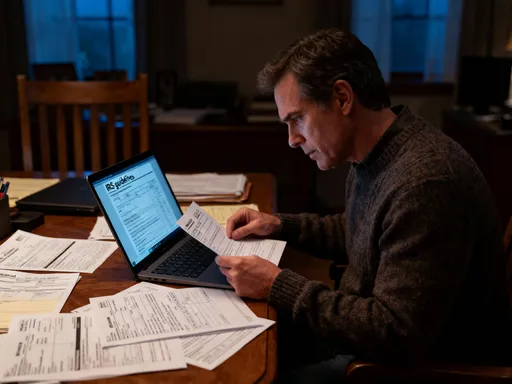
For years, I treated tax season as a necessary evil. Every winter, I’d gather my W-2s, receipts, and bank statements in a rush, input them into a basic tax software, and hope for the best. I never questioned whether I was doing it right. I assumed that as long as I didn’t lie or hide anything, I was fine. But I didn’t know what I didn’t know—and that ignorance had a price. The turning point came during a casual office conversation. A colleague mentioned she was expecting a modest refund, even though her salary was 25% higher than mine. That didn’t make sense. We both worked full-time, had similar family situations, and neither of us owned property. Why was she paying less?
That conversation sparked something in me. I started asking questions—quietly at first—about deductions, credits, and tax brackets. I realized I had never claimed anything beyond the standard deduction. I hadn’t considered whether I qualified for the Child Tax Credit or the Earned Income Tax Credit, even though I had two children and my income was below the threshold. I hadn’t tracked any of my work-related expenses, like home office supplies or professional development courses. I had no idea that charitable contributions could reduce my taxable income, or that medical expenses above a certain percentage of my income were deductible.
Looking back, I had been leaving hundreds—possibly thousands—of dollars on the table each year. The real shock wasn’t just the money I’d overpaid, but the fact that I hadn’t even realized it was avoidable. This wasn’t about gaming the system; it was about using tools that were already available to me. I wasn’t alone. Many people, especially those in the 30 to 55 age range managing households, juggling budgets, and raising families, operate on autopilot when it comes to taxes. They trust the system will sort it out, only to be surprised by a smaller refund or a larger bill. But the truth is, the system doesn’t look out for you—it rewards awareness, preparation, and small, consistent actions.
My wake-up call wasn’t dramatic. No audit, no penalty letter. Just a quiet realization that I had been passive when I could have been proactive. That shift in mindset—from seeing taxes as something that happens to me, to something I can influence—was the first step toward financial empowerment.
Tax Planning vs. Tax Filing: Why Waiting Until April Is a Mistake
One of the biggest misconceptions I had was equating tax filing with tax planning. I thought that as long as I filed my return accurately and on time, I was doing my due diligence. But I’ve learned that filing is just the final step in a much longer process. True tax planning doesn’t start in March or April—it starts in January, or even December of the previous year. It’s not a once-a-year event; it’s an ongoing strategy that shapes how you manage your income, expenses, and financial decisions throughout the year.
For example, I used to wait until tax season to realize I hadn’t contributed to my IRA. By then, the deadline had passed, and I lost the opportunity to reduce my taxable income for that year. Now, I make my IRA contribution early in the year, often by February, so I know it’s done. I also review my withholding at work every few months. If I got a raise, had a child, or made a major purchase, I’d adjust my W-4 form to avoid a big surprise come tax time. These aren’t complicated moves, but they require attention and timing—something I ignored when I treated taxes as a last-minute task.
Another example is timing income and expenses. Before, I didn’t think about when I received payments or made purchases. Now, I consider the tax implications. If I freelance, I might delay invoicing a client until January if I’m close to a higher tax bracket. Conversely, if I need to deduct a business expense, I’ll try to pay it before December 31 to claim it that year. These decisions don’t change my overall income or spending—they just optimize when they happen. That’s the essence of tax planning: making intentional choices that align with the tax calendar, rather than reacting to it.
The shift from filing to planning changed my relationship with money. Instead of dreading April, I now use each quarter to review my financial picture. I track estimated taxes, retirement contributions, and deductible expenses. I don’t need to be a tax expert, but I’ve become a more informed participant in my own financial life. That sense of control is priceless—especially for someone managing a household where every dollar counts.
The Hidden Risks of Doing Nothing: What No One Tells You
Many people think that if they’re not trying to cheat the system, they have nothing to worry about. But the reality is, even honest taxpayers can run into serious trouble by doing nothing. I learned this the hard way when I started a side business selling handmade crafts online. I didn’t think much of it at first—just a little extra income to help with school supplies and family trips. But I didn’t keep proper records. I used my personal bank account, didn’t track expenses, and assumed the IRS wouldn’t care about a few thousand dollars.
Then I got a notice. Not an audit, but a letter asking for clarification on my reported income. I panicked. I had to scramble to pull together bank statements, receipts, and sales records from months earlier. Some were lost. I couldn’t prove which expenses were business-related. I ended up paying more in self-employment tax than I should have because I couldn’t substantiate deductions. Worse, I was hit with an underpayment penalty because I hadn’t made estimated tax payments throughout the year. The IRS doesn’t care if you’re honest if you’re not accurate. And accuracy requires preparation.
This experience opened my eyes to the risks of inaction. Poor record-keeping isn’t just inconvenient—it can trigger audits, penalties, and interest charges. Failing to report income, even unintentionally, can lead to back taxes and legal complications. And underpaying your tax liability during the year can result in penalties, even if you settle the full amount later. These aren’t rare outcomes. According to the IRS, millions of taxpayers face penalties each year for underpayment or incomplete reporting—many of them ordinary people who simply didn’t plan ahead.
The lesson I learned is that tax compliance isn’t passive. You can’t assume that filing a return will resolve everything. The system expects you to track your income, categorize your expenses, and pay your fair share throughout the year. Ignorance isn’t an excuse, but it is avoidable. By taking small, consistent steps—like saving receipts, separating accounts, and making estimated payments—you protect yourself from preventable risks. That’s not fear-mongering; it’s financial self-defense.
Building Your Safety Net: Simple Structures That Protect You
After my scare with the IRS, I knew I needed a better system. I didn’t want to live in fear, but I also didn’t want to be caught off guard again. I started with the basics: organization. I opened a separate bank account for my side income. Every dollar I earned from my crafts went into that account, and every business expense—like materials, shipping, and website fees—was paid from it. This simple step made tax time infinitely easier. When I sat down to file, I could look at one account and see exactly how much I’d earned and spent.
I also created a digital filing system. I use a folder on my computer labeled “Taxes” with subfolders for each year. Inside, I save scanned copies of receipts, invoices, bank statements, and tax returns. I also keep a spreadsheet that tracks my income, deductible expenses, and estimated tax payments. I update it monthly. This isn’t overkill—it’s clarity. When you can see your numbers in one place, you’re less likely to make mistakes. And if the IRS ever asks for documentation, I know exactly where to find it.
Another key part of my safety net is making estimated tax payments. As a freelancer, I don’t have taxes withheld from my pay. That means I’m responsible for sending payments to the IRS every quarter. At first, this felt overwhelming. But I set up automatic transfers from my business account to a savings account I call “Tax Fund.” Every time I get paid, I move 25% into that fund. Then, every April, June, September, and January, I use that money to cover my estimated taxes. This prevents the stress of a huge lump-sum payment and avoids underpayment penalties.
These systems aren’t complicated or expensive. They don’t require hiring a team or buying fancy software. They’re habits—small, repeatable actions that build confidence and control. For a busy parent or someone managing a household budget, that predictability is everything. You’re not trying to get rich; you’re trying to stay safe, stay compliant, and keep more of what you’ve earned.
Smart Moves That Keep More Money in Your Pocket
Once I had the basics in place, I started looking for ways to reduce my tax bill legally and ethically. These aren’t loopholes or risky schemes—they’re strategies built into the tax code to encourage saving, investing, and responsible financial behavior. The first and most powerful tool I used was retirement savings. I began contributing to a traditional IRA, which allowed me to deduct my contributions from my taxable income. Even putting away $200 a month made a noticeable difference. Over time, that not only lowered my tax bill but also grew into a meaningful nest egg.
I also learned to time my income and expenses strategically. For example, in one year, I had a large freelance payment coming in December. But I was close to the threshold for a higher tax bracket. I asked the client to issue the payment in January instead. That moved the income to the next tax year, keeping me in a lower bracket and reducing my overall tax liability. On the flip side, I accelerated some deductible expenses. I paid for a professional course and bought supplies for my business in December so I could claim them that year, even though I might have waited.
Life changes also created opportunities. When I bought a home, I learned about the mortgage interest deduction. While I took the standard deduction at first, I realized that in years when I made large mortgage payments or paid medical expenses, itemizing could save me more. I started tracking those numbers so I could decide each year which method was better. Similarly, when my child started college, I explored education credits like the American Opportunity Tax Credit, which reduced my tax bill by up to $2,500 per year per student.
These strategies don’t require a finance degree. They require awareness and a little planning. The key is to think ahead, not just at year-end. By reviewing your financial situation every few months, you can spot opportunities before they pass. That’s how you turn tax season from a source of stress into a chance to keep more of your hard-earned money.
When to Ask for Help: Knowing Your Limits
For a long time, I thought hiring a tax professional was a sign of failure—or something only for the wealthy. I took pride in doing my own taxes. But I’ve learned that there’s no shame in asking for help, especially when the stakes are high. The first time I hired a CPA was after I bought a rental property. I thought I could handle it on my own, but the depreciation rules, expense allocation, and passive income reporting were beyond my knowledge. I didn’t want to make a mistake that could trigger an audit or cost me thousands in missed deductions.
Working with a tax professional was eye-opening. She didn’t just file my return—she reviewed my entire financial picture, identified deductions I didn’t know existed, and helped me structure my rental income to minimize taxes. She also advised me on estimated payments and record-keeping, which improved my habits going forward. The fee I paid was less than the savings I gained—and that doesn’t count the peace of mind.
I now see tax professionals as financial coaches. They’re not just for the rich or the guilty. They’re for anyone who wants to get it right. I still file my own return most years, but I consult a CPA when I have a major life change—like starting a business, selling a property, or receiving an inheritance. I also use their services for a second look if I’m unsure about a deduction or credit. It’s not about giving up control; it’s about making informed decisions with expert guidance.
Knowing when to ask for help is part of being responsible. You wouldn’t perform your own surgery, and you shouldn’t navigate complex tax rules without support if you’re not confident. For busy parents and household managers, time is precious. Spending a few hundred dollars to save thousands and avoid stress is a smart investment.
From Stress to Strategy: Making Tax Planning a Habit
Today, tax season doesn’t fill me with dread. It’s just another part of my financial routine. I’ve turned what used to be a chaotic, last-minute scramble into a structured, year-round practice. Every quarter, I review my income, expenses, and estimated taxes. I update my spreadsheet, check my retirement contributions, and make sure I’m on track. I’ve created a simple checklist: save receipts, separate accounts, contribute to retirement, review withholding, and consult a professional when needed. These aren’t heroic actions—they’re small, consistent habits that add up.
The biggest change isn’t in my tax bill—it’s in my mindset. I no longer see taxes as an unavoidable burden. I see them as a puzzle I can solve, a system I can navigate with confidence. I’ve saved hundreds, possibly thousands, over the years by using deductions, credits, and smart timing. More importantly, I’ve gained peace of mind. I know I’m compliant, I’m prepared, and I’m not leaving money on the table.
For anyone feeling overwhelmed by taxes, I want to say this: you don’t have to be perfect. You don’t have to know everything. You just have to start. Pick one thing—track your receipts, open a separate account, or make one retirement contribution—and build from there. Tax planning isn’t about wealth or expertise. It’s about intention. It’s about taking control of your financial life, one small step at a time. And when you do, you’ll find that what once felt like a threat becomes a tool—one that helps you keep more of what you’ve earned, protect what you’ve built, and plan for the future with confidence.