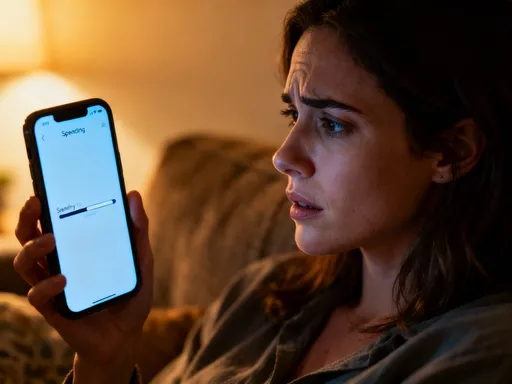
After tracking my sleep for 30 mornings, this one habit protected my energy like nothing else
You know that groggy, drained feeling even after a full night’s sleep? I used to start every morning battling fatigue, no matter how early I went to bed. Then I began using a sleep tracker—not just at night, but every single morning. What I discovered wasn’t about sleep quality alone, but one simple, overlooked routine that changed everything. It didn’t just improve my energy—it protected my focus, mood, and daily momentum. This is how a tiny shift, powered by smart tech, quietly transformed my entire day.
The Morning Fog That Just Wouldn’t Lift
For years, I thought I was doing everything right. I went to bed by 10:30, avoided screens after 9, and even invested in blackout curtains and a memory foam mattress. But still, I woke up feeling like I’d barely slept. My eyes were heavy, my thoughts were slow, and my motivation was nonexistent. I’d drag myself out of bed, reach for coffee like it was a lifeline, and promise myself I’d ‘get into a better rhythm’ tomorrow. But tomorrow looked exactly the same. I blamed it on being a mom of two, on the endless to-do lists, on aging. I even considered seeing a doctor, convinced I had some kind of hormonal imbalance.
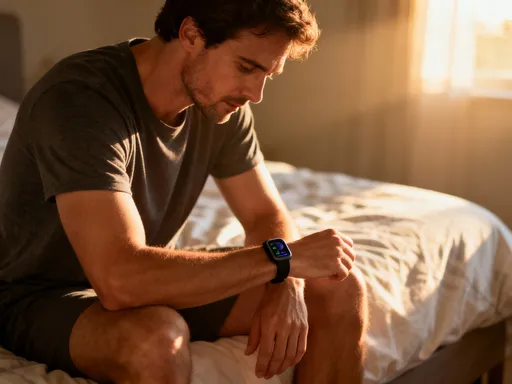
Then I got a sleep tracker—just a simple wearable band that monitored my heart rate, movement, and sleep stages. At first, I only looked at the data at night, curious if I was actually getting deep sleep. The numbers were okay—around 6.5 to 7 hours, with decent REM cycles. But still, I felt awful in the mornings. That’s when I decided to change my approach: instead of checking my phone first thing, I started reviewing my sleep report *before* I got out of bed. Just five minutes. No emails, no social media, no news. Just me, my body, and the data. And that small shift—paying attention in the morning, not just at night—revealed something surprising. My sleep wasn’t the real problem. It was how I was waking up.
On days when I jumped straight into my phone, scrolling through messages and notifications before my feet even touched the floor, I felt scattered and anxious, no matter what the tracker said. But on the rare mornings when I paused and looked at my sleep data first, I felt calmer, clearer, and more in control. That’s when it hit me: the way I started my morning was shaping my entire day. And I had been giving it away to noise before I even had a chance to ground myself.
Why Mornings Are the Hidden Key to Sleep Health
We talk so much about sleep hygiene—what we do at night—but almost never about wake-up hygiene. Yet, how you begin your morning sends powerful signals to your brain and body. When you open your eyes and immediately check your phone, you’re not just waking up; you’re diving into other people’s priorities, their problems, their energy. Your nervous system goes from rest to high alert in seconds. Cortisol spikes. Your heart rate jumps. And before you’ve even had a sip of water, you’re in reaction mode.
But when I started reviewing my sleep data first thing, something different happened. I was sending my brain a different message: Today is about me. My body matters. My energy is valuable. Instead of reacting to the outside world, I was tuning into my inside world. I’d see that my deep sleep was lower than usual, or that my heart rate was elevated, and I’d think, ‘Okay, today might need a gentler pace.’ That awareness didn’t make me fragile—it made me smarter. I could adjust before I burned out. I could choose a quiet breakfast over a rushed one. I could decide to skip the extra errand and protect my focus.
It’s like the difference between driving a car with no dashboard and one with full sensors. Without data, you’re guessing—why is the engine hot? Why is the battery low? But with real-time feedback, you can respond early, prevent damage, and keep things running smoothly. That’s what morning tracking became for me: a daily check-in that helped me drive my day with intention, not just momentum.
The One Habit That Made the Difference
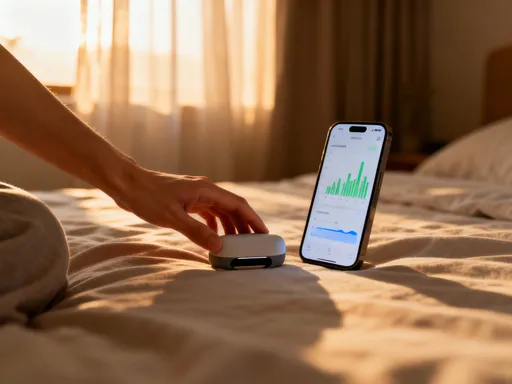
The real game-changer wasn’t a new app, a fancy device, or a perfect sleep schedule. It was a single, tiny habit: reviewing my sleep data before touching my phone. That’s it. No journaling, no meditation app, no 20-minute mindfulness routine. Just five minutes of quiet reflection with my tracker’s report. I’d look at three things: my sleep score, my resting heart rate, and how many times I woke up. That’s all. But those few minutes created a buffer between me and the world.
Some mornings, the data was great—deep sleep above 80%, heart rate steady, wake-up feeling smooth. On those days, I’d feel a quiet confidence. I knew I had energy to give. Other mornings, the numbers were off—maybe only 5 hours of sleep, or multiple awakenings, or a high heart rate. And instead of panicking or pushing through, I’d say, ‘Okay, today is a low-battery day. Let’s protect it.’
That shift—from judgment to compassion—was everything. I wasn’t failing because I didn’t sleep well. I was succeeding because I was paying attention. And that small act of self-awareness became a form of emotional armor. It didn’t fix my sleep, but it helped me respond to it with wisdom instead of frustration. I stopped blaming myself. I stopped rushing. I started making choices that honored my real energy, not the one I thought I should have.
And here’s the thing—this habit didn’t require willpower. It wasn’t about being ‘disciplined.’ It was about creating a gentle ritual that felt good. I placed my tracker on my nightstand, right next to a glass of water. I kept my phone in another room, charging on a shelf across the bedroom. That physical separation made all the difference. When I woke up, my hand naturally reached for the tracker, not the phone. It became automatic, like brushing my teeth or making my bed.
How Sleep Tech Became My Morning Compass
At first, I thought the tracker was just a gadget—a little toy that gave me numbers. But over time, it became something deeper: a mirror. It showed me patterns I couldn’t feel yet. Like how a stressful work meeting the day before would show up as elevated heart rate during sleep, even if I thought I’d ‘handled it fine.’ Or how eating late at night would reduce my deep sleep, even if I didn’t feel indigestion. The data didn’t lie. And it didn’t shame me. It simply revealed.
On days when I skipped the morning review, I noticed I was more reactive. I’d say yes to things I didn’t have time for. I’d snap at my kids over small things. I’d reach for sugar instead of protein. But on days when I took those few minutes to sync with my body’s signals, I made better choices. I’d choose a walk during lunch instead of scrolling. I’d say no to an extra commitment. I’d drink water before coffee. The tracker didn’t make those decisions for me—it just gave me the clarity to make them myself.
It became less about ‘fixing’ my sleep and more about understanding my rhythm. I learned that I’m not a morning person—and that’s okay. I don’t have to force myself to ‘seize the day’ at 6 a.m. Instead, I can use my data to plan my peak hours. If my sleep was light, I’ll save big tasks for the afternoon. If my recovery is strong, I’ll tackle projects early. It’s not about being perfect. It’s about being informed. And in a life full of demands—kids, work, home, family—that kind of self-knowledge is power.
The device also helped me notice progress. After a few weeks, I saw that my average deep sleep increased by 15%. My resting heart rate dropped. I wasn’t doing anything drastic—just paying attention and adjusting. That quiet validation kept me going. It wasn’t about chasing a perfect score. It was about building trust with myself. And that trust spilled over into other areas: I started listening to my body when I was hungry, when I was tired, when I needed a break. The tracker didn’t replace intuition—it sharpened it.
Building a Routine That Sticks—Without the Pressure
Let me be honest: I didn’t do this perfectly. Some mornings, I forgot. Some days, the baby woke up crying, and I had to jump out of bed immediately. Some days, I reached for my phone on autopilot. And that’s okay. The goal wasn’t perfection. It was presence. I learned to come back gently, without guilt. Because habits aren’t built on flawless execution—they’re built on return.
What helped me stay consistent was making the habit as easy as possible. I didn’t add extra steps. I didn’t require a journal or a long meditation. I just used what I already had: my tracker and five minutes. I paired it with another habit—making my bed. As soon as I sat up, I’d check my sleep data, then swing my legs over and pull up the covers. That small sequence—review, rise, make—became my anchor.
I also stopped calling it a ‘routine’ and started calling it a ‘ritual.’ That small word shift changed everything. A routine feels like a task. A ritual feels like a gift. And that’s what this became: a daily gift to myself. Some days it was two minutes. Some days it was one glance. But even on messy mornings, that tiny pause reminded me: I matter. My energy matters. My well-being is worth protecting.
And here’s a secret: the more I honored this habit, the more other good habits followed. I started drinking water first thing. I began stretching before I stood up. I even started smiling at myself in the mirror—something I hadn’t done in years. It wasn’t because I looked better. It was because I felt seen. The tracker wasn’t just showing me sleep data. It was helping me reconnect with myself.
What I Gained Beyond Better Sleep
After 30 days of this morning habit, I noticed changes I never expected. Yes, my energy was more stable. Yes, I was less reliant on coffee. But more than that, I felt calmer. More patient. More present with my family. I wasn’t just surviving the day—I was enjoying it. I started noticing small joys: the way my daughter laughs when she’s tickled, the quiet hum of the house in the early morning, the taste of my tea when I actually sip it slowly.
I also became more aware of my emotional patterns. The tracker showed me that high stress didn’t just affect my mood—it showed up in my body first. Elevated heart rate. Light sleep. Poor recovery. And once I could see it, I could do something about it. I started scheduling ‘reset days’—no meetings, no errands, just quiet time. I learned to say no without guilt. I stopped equating busyness with worth.
And my relationships improved. Because I wasn’t running on empty, I had more patience. I listened better. I responded instead of reacted. My husband noticed. My kids noticed. Even my mom said, ‘You seem lighter.’ I didn’t feel fixed. I felt freer. The tracker didn’t solve my problems—but it gave me the insight to handle them with more grace.
Most importantly, I stopped feeling guilty for needing rest. I used to think slowing down was lazy. Now I see it as strategic. Protecting my energy isn’t selfish—it’s necessary. And that mindset shift has changed everything. I’m not just managing my time better. I’m managing my energy with intention. And that’s made me more effective, more joyful, and more like myself.
How You Can Start Protecting Your Mornings Too
You don’t need the latest tracker. You don’t need a perfect schedule. You don’t even need five minutes. Start with one breath. One moment of stillness. One choice to check in with yourself before you check your phone.
If you have a sleep tracker, try this: tomorrow morning, before you touch your phone, open your app and look at your sleep score. Just look. Don’t judge. Don’t compare. Just notice. How did you sleep? How do you feel? What does your body need today?
If you don’t have a tracker, that’s fine. Just ask yourself: How do I feel right now? Are you rested? Drained? Somewhere in between? That simple question is the first step toward self-awareness. You don’t need data to care for yourself. You just need attention.
Keep it small. Keep it kind. Place your phone across the room. Put your water or your tracker on your nightstand. Pair it with something you already do—sitting up, stretching, making your bed. Let it be easy. Let it be yours.
This isn’t about becoming more productive. It’s about becoming more present. In a world that pulls us in a hundred directions before we’ve even had breakfast, protecting your morning is an act of quiet rebellion. It says: My energy matters. My peace matters. I matter. And that might be the most powerful tech tool you’ll ever use.