More than savings: How shopping apps quietly track my progress and change habits
Have you ever wondered why you keep overspending, even when trying to save? I felt the same—until I discovered a quiet feature hiding in the apps I already use. It wasn’t flashy, but it showed me patterns in my spending I’d never noticed. Suddenly, small choices added up to real change. This isn’t about cutting out coffee; it’s about seeing your progress clearly and feeling in control. These little digital nudges didn’t just help me save—they helped me understand myself better. And that, more than any dollar amount, changed everything.
The Moment I Stopped Ignoring My Spending
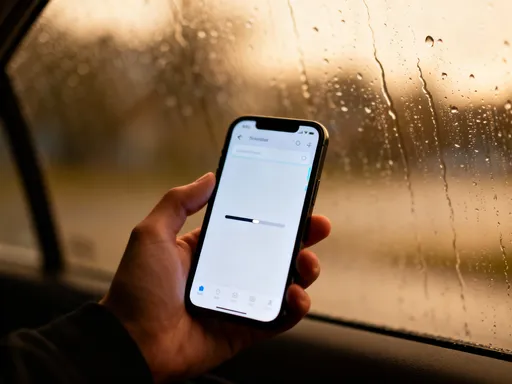
I remember the exact afternoon it hit me. It was raining, the kind of slow, steady drizzle that makes you want to stay inside, wrapped in a blanket with a cup of tea. I was scrolling through one of my favorite shopping apps, not because I needed anything, but just to browse—something I did almost every day. I clicked on a cozy sweater, added it to my cart, then paused. Something felt off. I wasn’t broke, exactly, but I never seemed to have enough saved. My bank account felt like a mystery I couldn’t solve. That’s when I asked myself: Why do I feel broke even when I’m being careful?
Instead of checking out, I did something unusual—I tapped on my account icon and started exploring. I wasn’t looking for anything specific, just poking around. And there it was: a small, unassuming progress bar at the top of the screen. It showed how much of my monthly budget I’d already used. I hadn’t even known it existed. It wasn’t labeled as a budgeting tool or anything official—just quietly tracking my spending across purchases, all in the background. I stared at it. In that moment, something shifted. It wasn’t guilt or shame. It was clarity. I realized I wasn’t being careless—I just wasn’t aware. And awareness, I’ve learned, is the first real step toward change.
From that day on, I started paying attention not just to what I was buying, but to how I felt when I bought it. Was I tired? Stressed? Bored? The app didn’t judge me, but it did reflect back my habits in a way I couldn’t ignore. That progress bar became a mirror. It didn’t tell me to stop shopping—it just showed me the truth. And once I could see it, I could make different choices. Not because I had to, but because I wanted to. That’s the difference between restriction and empowerment.
What Most People Miss in Their Favorite Shopping Apps
We all love a good deal. I’ll admit it—I’ve spent plenty of time hunting for discounts, stacking coupons, and waiting for that perfect sale. But here’s what I’ve realized: most of us only use the surface level of these apps. We focus on saving a few dollars today without realizing they can help us save hundreds—or even thousands—over time. The secret isn’t in the discounts. It’s in the data quietly being collected behind the scenes.
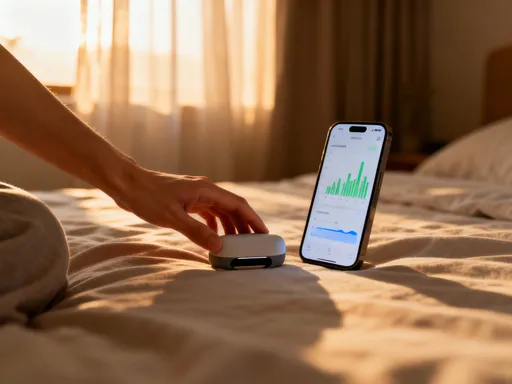
Take one of the apps I use regularly. At first, I only saw it as a place to buy household items and get free shipping. But when I dug into the monthly summary section, I found something unexpected: a breakdown of my spending by day, time, and category. It showed that I spent 40% more on weekends, especially late at night. Another time, it highlighted that my snack purchases tripled during weeks when I was stressed at work. These weren’t random observations—they were patterns. Real, repeatable behaviors I hadn’t even realized I had.
And I’m not alone. Many apps now include built-in tracking features that go beyond simple receipts. They show trends, highlight spikes, and even send gentle reminders when you’re approaching a self-set limit. But most of us never explore these sections. We’re too focused on the next deal or the convenience of one-click ordering. We miss the bigger picture. These tools aren’t just about saving money—they’re about understanding ourselves. When you see that you always buy comfort items after a long day, or that you overspend when you’re lonely, you start to connect your emotions to your habits. And once you see the pattern, you can choose to change it.
The real power isn’t in saving $5 on laundry detergent. It’s in realizing that small, repeated behaviors shape your financial health over time. These apps don’t force you to change. They simply show you what’s already happening. And sometimes, that’s enough.
How Progress Tracking Turns Discipline into Awareness
We’ve all been told that saving money takes discipline. Willpower. Strength. But after using these tracking features for months, I’ve come to believe something different: real change starts with awareness, not force. Discipline feels heavy, like a chore. Awareness feels light, like a discovery. And that difference changes everything.
Think about it. When an app shows your spending creeping up mid-month, it’s not scolding you. It’s not saying, "You failed." It’s simply saying, "Hey, you’re at 80% of your goal already." That’s feedback, not judgment. It’s like having a quiet friend who knows your goals and gently reminds you when you’re drifting. I started seeing these progress bars like milestones in a game—something to aim for, not avoid. Each week, I’d check in. If I was close to my limit, I’d make one small adjustment: packing lunch instead of ordering in, or skipping an impulse buy. Nothing dramatic. Just tiny shifts.
But here’s what surprised me: those micro-adjustments added up. After a few weeks, I noticed I was making these choices automatically. I didn’t have to think about them. That’s when I realized I wasn’t building discipline—I was building awareness. The app didn’t change my behavior. It made my behavior visible. And once I could see it, I could shape it. It’s like learning to drive. At first, every turn, every lane change, feels like a conscious effort. But over time, it becomes second nature. That’s what happened with my spending. The tracking didn’t control me. It taught me.
And the more I trusted the data, the less I relied on guilt or memory. I stopped asking, "Did I spend too much last week?" and started asking, "What did my spending tell me?" That shift—from shame to curiosity—was everything. Because when you’re curious, you’re open to change. When you’re ashamed, you shut down.
Turning Data into Daily Wins
One of the most unexpected benefits of using progress tracking was emotional. I used to feel guilty after shopping. Even if it was a necessary purchase, I’d wonder if I could have done better. But with tracking, something shifted. I started feeling proud. Not because I was perfect—far from it—but because I was consistent. When the app showed I’d stayed under budget for three weeks in a row, I celebrated. Not with a shopping spree, but with a quiet moment of recognition. I did that. Me.
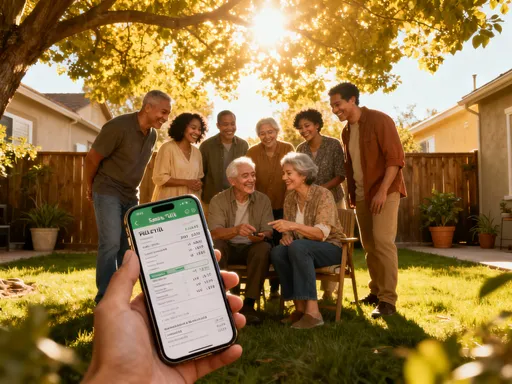
I even started sharing screenshots with my sister. Not to brag, but to say, "Look, I’m making progress." To my surprise, she started using the same features in her apps. We didn’t compete. We didn’t compare numbers. We just cheered each other on. "You stayed under budget? That’s amazing!" "You saved enough for the new blender? I’m so happy for you!" What began as a personal tool became a source of connection. We were building better habits—and strengthening our relationship at the same time.
The app became more than a tracker. It became a space for encouragement. Because the feedback was instant and clear, I didn’t have to rely on memory or self-doubt. I could see the progress with my own eyes. And that made all the difference. I stopped waiting for some big milestone—like paying off a credit card—to feel successful. Instead, I started celebrating small wins: a week without impulse buys, a month where I saved more than I spent, a purchase I delayed and later realized I didn’t need.
These weren’t grand victories. But they were real. And over time, they built confidence. I wasn’t just saving money. I was proving to myself that I could make better choices. That I could trust myself. And that kind of emotional win? That lasts much longer than any discount.
Customizing Your View for Real-Life Clarity
Here’s something important I learned: not all tracking feels meaningful. At first, the app showed my spending in generic categories like "Clothing," "Groceries," and "Miscellaneous." But "Miscellaneous" could mean anything—a birthday gift, a home repair, a treat for myself. It was too vague to be useful. So I decided to take control. I went into the settings and created my own categories.
I made "Me Time" for small pleasures like candles or books. "Home Upgrades" for things that improved our space, like a new lamp or storage bins. "Gifts" for presents for family and friends. Suddenly, my spending didn’t feel like a list of transactions. It felt like a reflection of my values. I could see how much I was investing in comfort, in family, in self-care. That changed how I viewed my money. It wasn’t just about cutting back—it was about choosing what mattered.
I also started setting goals tied to real-life events. Instead of a vague "save more," I’d set a goal like "Save $150 for new kitchen curtains" or "Save $75 for a family dinner out." When I linked my progress bar to something tangible, it felt more rewarding. Watching the bar fill up wasn’t just about numbers. It was about anticipation. It was about keeping a promise to myself.
And when I reached a goal? I celebrated. Not by spending more, but by acknowledging the effort. I’d say out loud, "I did it. I saved for what I really wanted." That moment of recognition mattered. It reinforced the behavior. The technology didn’t make the decision for me. It gave me the tools to design my own financial life—one that matched how I actually wanted to live.
When Technology Meets Intentional Living
Before I started using progress tracking, my financial decisions were mostly reactive. I’d see something I liked, check my balance, and decide in the moment. The question was always, "Can I afford this?" But now, I ask a different question: "Does this align with what matters to me?" That small shift changed everything.
The app doesn’t answer that question for me. But it gives me the clarity to answer it myself. When I’m tempted to buy something, I pause. I check my progress. I think about my goals. I ask, "Will this bring me closer to the life I want?" Sometimes the answer is yes. Sometimes it’s no. And that’s okay. What matters is that I’m choosing with intention, not impulse.
This mindset has spilled over into other areas of my life. I’ve started applying the same principle to how I spend my time, my energy, even my attention. Am I watching this show because I truly enjoy it, or because I’m avoiding something? Am I buying this because I need it, or because I’m trying to feel better for a moment? The tracking didn’t make me frugal. It made me thoughtful. It helped me define what "enough" feels like—not by comparing myself to others, but by tuning into my own values.
In a world full of distractions and constant demands, that kind of clarity is a gift. Technology often gets blamed for pulling us away from what matters. But in this case, it’s doing the opposite. It’s helping me stay connected—to my goals, my values, my sense of self. And that, to me, is what intentional living is all about.
Building a Smarter, Calmer Financial Future
Looking back, the biggest win wasn’t the money I saved—though that was nice. It was the peace of mind I gained. I no longer dread checking my balance. I don’t avoid opening my bank app. Instead, I look forward to it. I want to see how far I’ve come. I want to celebrate the progress, no matter how small.
These apps didn’t replace budgeting. They made it human. They didn’t take control away from me. They gave it back. Because now, I’m not guessing. I’m not relying on memory or guilt. I have real-time feedback, gentle reminders, and a clear view of my habits. And that makes all the difference. I feel more capable. More confident. More in charge.
As I continue using these tools, I’ve realized something important: the best technology doesn’t shout for attention. It doesn’t overwhelm you with data or demand constant interaction. It works quietly in the background, helping you without taking over. It’s like a good pair of shoes—comfortable, supportive, and so natural you forget they’re there. That’s what these apps have become for me: a quiet support system that helps me live more freely.
Because when you can see your progress, you don’t just save money. You build a life that feels truly yours. One where you’re not chasing trends or comparing yourself to others. One where you make choices that reflect what you value. One where small, consistent actions lead to real, lasting change. And that? That’s worth more than any discount.