More Than Numbers: How My Morning Routine Finally Made Sense
You know that foggy, rushed feeling most mornings—scrambling for coffee, skipping breakfast, already behind before the day begins? I used to think that was just how life was. Then I started paying attention to what my body was trying to tell me each morning. With a few simple tech tools that quietly gather and make sense of my health data, my mornings transformed. Not with hype, but with clarity. Now, I wake up not just alert, but understood. It’s not magic—it’s mindfulness powered by technology. And it’s made all the difference in how I show up for my family, my work, and myself.
The Morning Struggle Is Real (And It’s Not Just About Coffee)
Let’s be honest—most of us don’t wake up like characters in a wellness ad. No serene stretching in soft morning light, no journaling with a perfectly brewed cup of herbal tea. For years, my mornings looked more like this: eyes snapping open at 6:15 a.m., heart already racing, mentally running through the day’s to-do list before my feet even hit the floor. Where’s the permission slip for school? Did I pack lunches? Is the dog’s medication in his bowl? And why do I feel so tired when I just woke up?
I’d drag myself to the kitchen, reach straight for the coffee, and skip breakfast because ‘I wasn’t hungry’—even though by 10 a.m., I’d be shaky and irritable. I thought this was normal. I thought being busy meant being exhausted. I told myself I was doing my best, and maybe I was. But deep down, I felt disconnected—from my body, from my energy, from the people I love most. I was running on autopilot, reacting instead of responding, and it left me drained before lunch.
Here’s what I’ve learned: that morning fog isn’t just about not getting enough sleep. It’s a signal. Your body is speaking, even when you’re not listening. And for the first time, thanks to a few quiet tech tools on my wrist and phone, I’m finally hearing it. I’m not alone in this. So many of us—mothers, caregivers, professionals, partners—feel like we’re pouring from an empty cup. But what if your morning didn’t have to start with depletion? What if, instead of guessing what your body needs, it could actually tell you?
Waking Up to What My Body Was Saying
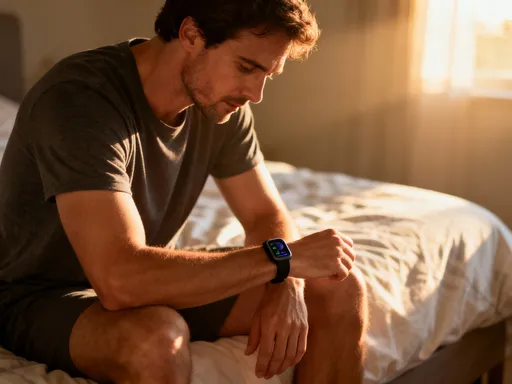
The turning point came after a particularly rough week. I’d been waking up sore, groggy, and emotionally frayed—even though I was sleeping seven or eight hours a night. I wasn’t stressed at work. My kids were healthy. On paper, life was good. So why did I feel so off? That’s when I decided to stop guessing and start observing. I’d recently gotten a wearable device—not because I wanted to track steps or calories, but because a friend mentioned it helped her understand her energy levels. I wasn’t expecting much. But within days, I started noticing patterns.
One morning, the app showed my heart rate variability (HRV) was unusually low. I had no idea what that meant at first, so I looked it up. HRV, I learned, is a measure of how well your nervous system is recovering. Lower numbers suggest your body is still in ‘stress mode,’ even at rest. High numbers mean you’re recovering well and ready to take on the day. That morning, my HRV was low—and sure enough, I felt sluggish, unfocused, and short-tempered with my kids. The next day, after an early bedtime and a calm evening, my HRV was higher. And I woke up feeling… different. Lighter. More present.
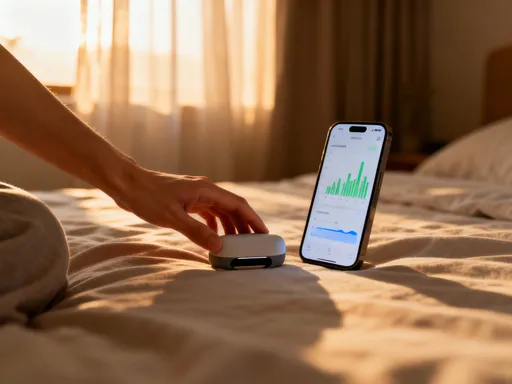
It wasn’t just HRV. The device also tracked my sleep stages, breathing rate, and even skin temperature. Over time, I started seeing connections. Nights when I drank wine? Lower recovery scores. Evenings with screen time past 9 p.m.? Poorer deep sleep. Busy days with back-to-back tasks? My resting heart rate crept up. This wasn’t about perfection—it was about awareness. For the first time, I wasn’t just reacting to how I felt. I was understanding why I felt that way. And that changed everything.
The First Five Minutes That Changed Everything
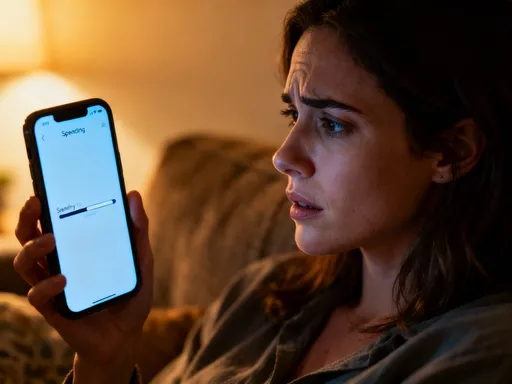
Now, before I even get out of bed, I take five quiet minutes. No phone scrolling. No checking emails. Just me, my wearable, and the morning report it generates. It’s not a complicated dashboard. It’s a simple summary—like a daily health postcard from my body. It tells me things like: “Your recovery is moderate—consider a light workout today,” or “Hydration is below average—start with water before caffeine,” or “You had several awakenings last night—your body may need extra rest.”
At first, I’ll admit, I found it overwhelming. So much data! But the app I use keeps it simple. It doesn’t show me every number. It gives me one or two key insights—clear, gentle, actionable. And that small pause, that moment of checking in, has become the most powerful part of my day. It sets the tone. Instead of launching into urgency, I start with intention. I’m not ignoring my responsibilities—I’m honoring my capacity.
Think about it: most of us wouldn’t drive a car without checking the gas gauge. Yet we expect ourselves to run full speed every day without checking our internal fuel levels. This five-minute ritual is my version of checking the gauge. It’s not about being ‘on’ all the time. It’s about being in tune. And the more I listen, the more I trust myself. I’ve stopped shaming myself for feeling tired. Instead, I ask, ‘What do I need today?’ And the answer isn’t always rest—it might be movement, connection, or quiet. But now, I know. And that makes all the difference.
From Data to Daily Decisions
Here’s where it gets practical. Let’s say my morning report shows low recovery and a low HRV. In the past, I might have pushed through—laced up my running shoes, cranked up the playlist, and forced myself into a tough workout. I thought that was discipline. But now I know better. My body is telling me it’s still recovering. So instead of a run, I do a gentle yoga flow or a 20-minute walk outside. I don’t see it as a setback. I see it as respect.
Or take breakfast. I used to skip it regularly, especially if I was in a rush. But the data showed a clear pattern: on days I started with water and a balanced meal, my energy stayed steadier, and I was less likely to reach for sugar by mid-morning. Now, I don’t just drink water before coffee—I need to. It’s not a rule. It’s a rhythm. And when I follow it, I feel the difference.
Even my conversations have changed. One morning, I noticed my stress markers were elevated. I didn’t feel stressed—but the data said otherwise. So I mentioned it to my partner over breakfast: “I think my body’s still recovering from yesterday. I might need a little extra patience today.” He didn’t roll his eyes. He said, “Got it. I’ve got the kids after school.” That small exchange shifted the whole day. I wasn’t trying to ‘do it all.’ I was being honest. And that honesty created space—for grace, for support, for connection.
The tech isn’t making decisions for me. It’s giving me information so I can make better ones. It’s like having a quiet, wise friend whispering, ‘Hey, you’ve got this—but maybe ease into it today.’ And because the insights are personal and consistent, I’ve started to trust them. I’m not chasing numbers. I’m following signals. And that’s made me more resilient, more patient, and more present—especially with my family.
Making It Work for Real Lives
I know what you might be thinking: ‘This sounds great, but I don’t have time to analyze health reports every morning.’ And you’re right—none of us do. That’s why choosing the right tools matters. The wearable I use syncs automatically overnight. The app opens to a clean, simple screen—no charts, no graphs, no jargon. Just a quick read. It takes less time than brushing my teeth.
And it doesn’t demand perfection. If I forget to wear it one night? No guilt. The data is helpful, not judgmental. I’ve also made it work with my calendar. On days when my recovery is low, I schedule lighter tasks—fewer meetings, more creative work. I’ve even set a gentle reminder to drink water at 8 a.m., right after my morning check-in. It’s not about adding more to your plate. It’s about making what’s already there work better.
And yes, my family’s noticed. My kids ask, ‘Did your body say you’re ready for the day?’ when they see me checking the app. I laugh and say, ‘It’s telling me to eat breakfast with you.’ We’ve turned it into a little ritual. My partner started using a similar device, not because I pushed him, but because he saw how it helped me. We compare notes sometimes—‘Your HRV was higher than mine yesterday!’—but it’s playful, not competitive. The tech isn’t taking over our lives. It’s helping us live them more fully.
Privacy matters too. I chose an app that stores data securely and doesn’t share it with third parties. This is personal information—about my body, my health, my rhythms. It should be treated with care. And because the tool respects my boundaries, I trust it more. It’s not an intruder. It’s an ally.
The Ripple Effect on Family and Focus
I didn’t expect that changing my morning routine would change my whole household. But it has. When I start the day grounded, not frantic, the energy shifts. I’m less likely to snap at the kids when they can’t find their shoes. I have more patience when dinner doesn’t go as planned. I’m present—not just physically, but emotionally.
My partner has noticed. ‘You seem calmer in the mornings,’ he said recently. ‘Like you’re actually here.’ And I am. I’m not mentally two steps ahead, solving problems before they happen. I’m in the moment—watching my daughter tie her hair into a messy bun, listening to my son tell a long, rambling story about his dream last night. Those moments used to slip by. Now, I catch them.
At work, the difference is clear too. I used to hit a wall by mid-afternoon—brain fog, fatigue, the urge to hide in the bathroom with a chocolate bar. Now, because I’ve adjusted my pace based on my body’s signals, I sustain my energy better. I’m more focused in meetings. I make clearer decisions. I don’t need to ‘power through’ because I’m not running on empty.
And here’s the thing: the tech didn’t fix my life. It didn’t solve my problems. But it gave me space to show up for them—calmer, clearer, kinder. It didn’t improve my relationships directly. But by helping me manage my own energy and emotions, it made me more available for the people I love. That’s the ripple effect. One small change—listening to my body each morning—has softened the edges of my days.
Building a Smarter, Softer Kind of Self-Care
If you’d told me a few years ago that a little device on my wrist would help me feel more connected to myself, I’d have been skeptical. I used to think self-care meant face masks and long baths—nice, but fleeting. Now I see it differently. True self-care is sustainable. It’s not about indulgence. It’s about attention. It’s about showing up for yourself, day after day, with kindness and curiosity.
This morning routine—checking in, listening, adjusting—has become my anchor. It’s not about chasing perfect scores or hitting health goals. It’s about building self-trust. Over time, I’ve learned to recognize my body’s rhythms. I know when I need rest. I know when I can push a little harder. I know when to say yes—and when to say no.
And that has changed how I move through the world. I’m not trying to be superwoman. I’m trying to be me—well-rested, well-hydrated, well-informed. I’m not using technology to escape my humanity. I’m using it to embrace it more fully. The data isn’t cold or clinical. It’s compassionate. It’s a mirror that reflects back not what I ‘should’ be doing, but what I am feeling—right now.
So if you’re tired of starting your day already behind, I invite you to try something small. Maybe it’s downloading a simple health app. Maybe it’s just pausing for two minutes when you wake up to ask, ‘How do I feel?’ You don’t need all the tools. You just need a little curiosity. Because the truth is, your body already knows what it needs. It’s been trying to tell you all along. Sometimes, we just need a little help listening. And when we do, mornings don’t just become manageable. They become meaningful. One quiet moment at a time.