Beyond Filters: How Photo Editing Apps Helped Me Eat Better Every Day
You know that moment when you snap a food photo just before eating—almost out of habit? I did it for years without thinking. Then something shifted. Instead of just chasing the perfect lighting, I started seeing my meals differently. Those same photo editing apps I used for fun quietly became part of my daily diet routine. They didn’t just make my meals look prettier—they helped me make healthier choices, one plate at a time. It wasn’t magic, just mindful tech use in real life. What began as a simple habit of capturing my lunch before diving in slowly transformed into something deeper. I wasn’t just documenting meals anymore; I was learning from them. And the most surprising part? The tools I already had in my pocket—apps I once used just to make my avocado toast look brighter—were quietly guiding me toward better eating, one edited photo at a time.
The Accidental Habit: How Taking Food Photos Changed My Awareness
It started without any grand plan. I’d take pictures of my meals—sometimes for social media, sometimes just because I liked how they looked on my plate. A warm bowl of soup on a rainy day, my daughter’s colorful school lunch, or even a quick sandwich between errands. These photos were snapshots of life, not part of any health journey. But over time, something subtle happened. The simple act of pausing to take a photo made me look—really look—at what I was about to eat. That brief moment before the first bite became a kind of mini-check-in. Is this balanced? Is it mostly whole foods? Did I even include a vegetable?
Before, I’d eat mindlessly, especially on busy days. But now, framing a shot made me notice things I used to ignore. The portion size of my pasta, the amount of sauce dripping off my chicken, the fact that three meals in a row had been some version of beige. It wasn’t judgment—just awareness. And that awareness started to shift my choices. I remember one afternoon, I lifted my phone to photograph a store-bought muffin and a latte—my usual mid-morning snack—and something about the way the sugar sparkled under the light made me pause. I thought, This looks good, but does it feel good? That tiny question, sparked by a photo, made me swap it for an apple and a handful of almonds instead. It wasn’t a big moment, but it was a turning point.
What I didn’t realize then was that I was building a visual journal. My phone gallery slowly became a timeline of my eating habits. And unlike calorie trackers or food logs, which often felt like homework, this felt natural. No need to write anything down. No math. Just images. And yet, those images told a story—about my energy levels, my routines, even my mood. On days I felt sluggish, I could scroll back and see a pattern: lots of takeout, not much color. On days I felt great, my meals looked vibrant, home-cooked, full of greens and grains. The photos didn’t lie. And slowly, they started to guide me—not with rules, but with reflection.
From Vanity to Value: When Editing Became a Mirror for My Diet
At first, I used photo editing apps the way most of us do—to make things look better. I’d brighten a dimly lit dinner, sharpen the edges of my salad, maybe add a warm filter to make my soup look cozier. It was all about presentation. But one day, I did something different. Instead of enhancing the photo to hide flaws, I used the tools to see more clearly. I turned up the brightness all the way, zoomed in, and looked closely at the textures. And what I saw surprised me. That grilled chicken I thought looked healthy? Up close, it was coated in a thick, oily glaze. My ‘fresh’ sandwich from the deli? The lettuce was limp, the bread shiny with preservatives. The photo didn’t change the food—but it changed how I saw it.
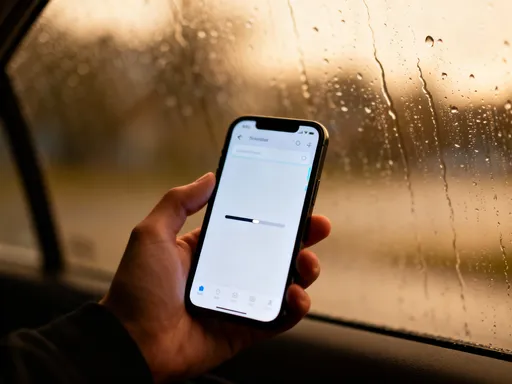
This small shift turned editing from a cosmetic tool into a kind of truth-teller. I started using the clarity and contrast sliders not to make food prettier, but to reveal what was really there. A crisp, bright apple would pop with natural shine. A processed granola bar, on the other hand, looked dull and dense, its ingredients impossible to distinguish. I began to notice that the foods that looked best with minimal editing were often the ones that made me feel best afterward. That wasn’t a coincidence. It was a pattern.
My favorite app has a feature called ‘Enhance,’ which automatically adjusts light and color. At first, I used it to make everything look more appetizing. But over time, I noticed something interesting: it didn’t work well on unhealthy meals. Greasy fries reflected light in a harsh, unappealing way. Overcooked vegetables turned muddy. But a simple bowl of roasted vegetables? The app made the colors sing—deep red peppers, golden sweet potatoes, dark green kale. It was as if the technology was rewarding real food. I didn’t need a diet coach telling me what to eat. My phone was showing me, quietly and consistently, what looked—and felt—right.
A Colorful Clue: Using Visual Cues to Guide Healthier Choices
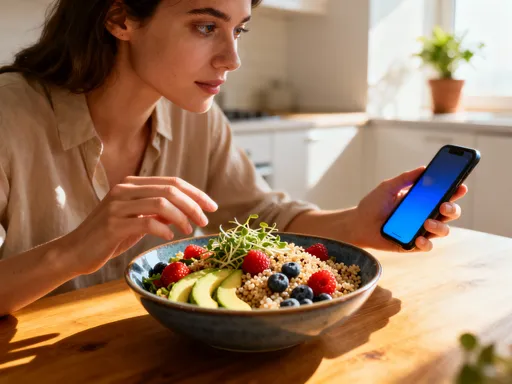
One of the most powerful lessons I learned came from color. I’d heard that eating a variety of colorful foods is good for you, but I never really paid attention—until I started looking at my meal photos. I began to notice that the meals I felt most energized after were the ones bursting with color: a rainbow salad, a stir-fry with red peppers, broccoli, and carrots, a breakfast bowl with blueberries, spinach, and a boiled egg. The duller the plate—think plain pasta, white bread, processed meat—the more tired I felt an hour later.
So I started using my photo app to assess color balance. I’d take the picture, then use the crop tool to focus just on the food. No background, no plate—just what I was eating. Then I’d ask myself: How many colors do I see? If the answer was one or two, I knew I could do better. I didn’t need a nutritionist to tell me that. My eyes, trained by my own gallery, were becoming the guide.
One week, I decided to line up all my lunch photos in a row. I expected to see variety. What I saw instead was a wall of beige. Sandwiches, wraps, crackers, pasta—almost no greens, no bright fruits or vegetables. It hit me like a gut punch. I wasn’t eating badly, but I wasn’t eating well, either. That visual was more powerful than any chart or calorie count. It wasn’t shaming—it was motivating. The next week, I made a simple goal: add one extra color to every meal. A handful of cherry tomatoes here, some shredded carrots there, a slice of orange with breakfast. I took the photos, edited them lightly, and saved them. By the end of the week, my gallery looked different. So did I. I had more energy. I felt lighter. And it all started with a simple question: What color is your plate?
Sharing with Purpose: Building Accountability Through Simple Posts
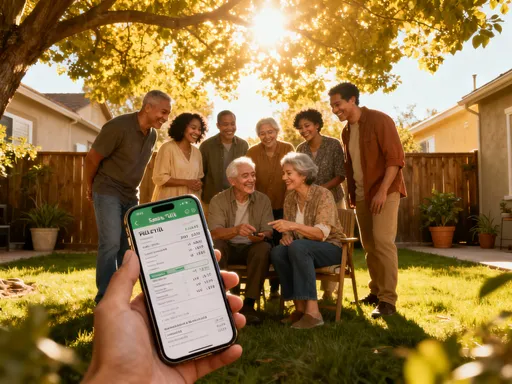
I used to think sharing food photos was just for influencers or foodies. But then I started a small, private group with three close friends—women I’ve known for years, all juggling family, work, and self-care. We didn’t post every day. We didn’t compete. We just shared real meals—sometimes healthy, sometimes not. A smoothie bowl. A slice of birthday cake. A quick frozen dinner on a tough night. The rule was simple: no filters, no staging. Just real food, real life.
What surprised me was how much that small act of sharing created gentle accountability. I found myself thinking, Would I want to show this to the group? Not because I feared judgment, but because I wanted to be honest. If I was about to grab a bag of chips, I’d pause and ask, Is this what I really want? Sometimes the answer was yes—and that was okay. But other times, I’d reach for something more nourishing instead. The act of considering the photo before eating became a moment of mindfulness.
And the conversations that followed were priceless. One friend noticed she was eating the same three meals on repeat. Another realized she skipped breakfast most days. We didn’t give each other advice—we just noticed, together. We celebrated small wins: Look at all those veggies! or I made this from scratch! And we supported each other on the harder days. That sense of connection made the journey feel lighter. It wasn’t about perfection. It was about progress, shared. And the app that once felt like a vanity tool became a bridge—to better eating, and to each other.
The Quiet Nudge: How Auto-Enhance Features Highlighted Real Changes
Some of the most helpful insights came from features I never thought about before—like auto-enhance. Most photo apps have it: one tap, and the image gets brighter, sharper, more vivid. I used to rely on it to make every meal look magazine-worthy. But over time, I noticed something curious: it didn’t help every meal. In fact, it often made unhealthy food look worse. Greasy foods reflected light in strange, unappetizing ways. Over-processed snacks looked flat and artificial. Dull, old produce became even more obvious under the enhanced contrast.
But real, whole foods? They responded beautifully. A ripe peach glowed. A bowl of berries looked jewel-like. Even a simple plate of grilled fish and steamed broccoli came alive with texture and color. It was as if the app was designed to reward authenticity. The better the food, the better it looked with almost no effort.
This became a quiet motivator. I started choosing foods not just because they were healthy, but because I knew they’d look good in a photo—without needing heavy editing. I’d pick the crisp lettuce over the wilted kind. The fresh strawberries instead of the sugary jam. Not for likes, but for truth. And here’s the thing: the foods that looked best in photos were the same ones that made me feel best. My body wasn’t fooled by filters, but it responded to real nourishment. The app didn’t make me eat better—it revealed which choices already felt right in my body.
Building a Personal Gallery: Tracking Progress Without Numbers
I’ve tried every kind of diet tracker—calorie counters, macro apps, meal planners. Most felt like a chore. They required effort, precision, and constant input. I’d last a few days, maybe a week, then give up. But my photo gallery? I never had to force myself to use it. It grew naturally, one meal at a time. And over months, it became something powerful: a visual record of my journey.
One evening, I scrolled back six months. I started with a photo from a busy workday—takeout noodles in a styrofoam container, pale and oily. Then I moved forward, week by week. I saw more salads. More home-cooked meals. More colors. I saw the first time I roasted Brussels sprouts and posted the slightly burnt result with a laughing caption. I saw the smoothie bowls, the whole grain toast, the family dinners with big platters of vegetables. It wasn’t perfect. There were still cookies, ice cream, and lazy meals. But the trend was clear. I was eating better—not because I was restricting, but because I was becoming more aware.
What I loved most was that this progress wasn’t measured in numbers. No calories, no points, no guilt. Just images. And in those images, I could see growth. I could see care. I could see myself choosing better, more often. On days when I felt discouraged, I’d scroll through my gallery and remember how far I’d come. It wasn’t about being flawless. It was about being consistent. And that kind of progress? It sticks.
Tech as a Thoughtful Companion: Integrating Apps into Daily Routines
Today, taking a quick photo before eating is just part of my routine. It takes seconds. No special equipment. No extra apps. Just the phone I already use for everything else. I don’t do it for likes or followers. I don’t even edit most photos anymore. I do it because that pause—between snap and bite—creates space. Space to notice. Space to choose. Space to care.
These apps didn’t change my life overnight. They didn’t replace willpower or knowledge. But they gave me something simple and powerful: awareness. They turned a habit I already had into a tool for growth. And the best part? It didn’t require more time, more effort, or more guilt. Just a little more attention.
I’ve taught my daughter to do the same. Not to obsess over food, but to appreciate it. We take photos of her school lunches, her baking experiments, our weekend pancakes. We talk about colors, textures, where food comes from. It’s not a lesson—it’s a conversation. And it’s happening because of a tool we already love.
Tech often gets a bad reputation for pulling us away from real life. But in this small way, it pulled me closer. Closer to my body. Closer to my choices. Closer to the simple joy of a well-balanced, beautiful meal. It reminded me that the best tools aren’t always the flashiest. Sometimes, they’re the ones already in your hand, waiting to be used with intention.
Small Shifts, Real Impact—When Everyday Tech Supports Real Life
Looking back, I never expected photo editing apps to play a role in my health journey. I thought they were just for fun, for sharing, for making ordinary moments look a little more perfect. But life has a way of turning small habits into big changes. By integrating these tools into my daily routine—not as distractions, but as mirrors—I turned mindless scrolling into mindful eating.
This isn’t about becoming a food photographer. It’s not about eating perfectly or never enjoying a treat. It’s about using the technology we already have to become more aware, more present, and more in tune with our bodies. It’s about finding value in the everyday. A photo isn’t just a memory. It can be a moment of reflection. A filter isn’t just a visual effect. It can be a lens that helps you see yourself more clearly.
The most powerful changes often come not from drastic overhauls, but from small, consistent shifts. Taking a photo. Adjusting the light. Noticing the colors. Sharing a meal with a friend. These tiny actions, repeated over time, built a new relationship with food—one based on awareness, not restriction. One that feels sustainable, because it fits into real life.
And that’s the beauty of it. You don’t need a new app, a new diet, or a new gadget. You just need to look a little closer. To use the tools you already have in a way that serves you. To let technology support you, gently, quietly, without fanfare. Because sometimes, the most meaningful growth happens in the smallest moments—like the pause before a meal, when you take a breath, lift your phone, and really see what’s on your plate.