Tired of missing out on real connections? How my voice assistant brought me closer to people
You know that moment when you’re juggling work, chores, and plans—yet still feel oddly disconnected? I did too. Until I started using my smart speaker differently. It didn’t just play music or set timers; it quietly became a bridge. Not to technology, but to people. Friends I’d lost touch with, neighbors I never knew, even deeper conversations at home. This isn’t about gadgets—it’s about how a simple “Hey, remind me to call Mom” reshaped my social world. At first, I didn’t think a little speaker on my kitchen counter could change anything about my relationships. But over time, I realized it wasn’t the device itself that made the difference—it was how I chose to use it. And honestly? It gave me back something I didn’t even realize I’d lost: the ease of staying close to the people who matter.
The Lonely Side of a Busy Life
Let’s be real—life gets loud. Between school drop-offs, grocery lists, work emails, and trying to squeeze in five minutes of quiet with a cup of tea, it’s easy to lose track of what matters most: the people around us. I used to think I was doing fine socially. I’d scroll through social media, see everyone’s smiling photos, and tell myself, “I’m connected.” But deep down, I knew something was off. I’d promise to call a friend “soon” and then forget. I missed my cousin’s birthday—twice. I kept meaning to reach out to an old college roommate, but “soon” turned into months, then years.
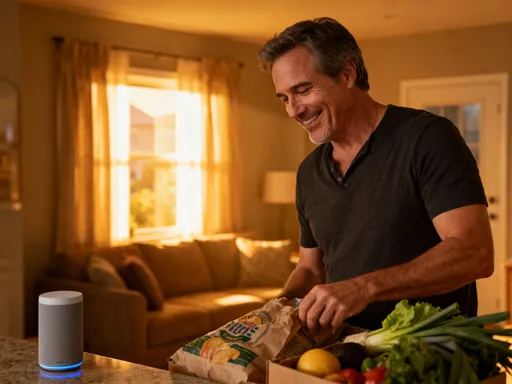
It wasn’t that I didn’t care. I did—deeply. The problem was, caring wasn’t enough. I needed a system. I tried sticky notes on the fridge. I tried calendar alerts. But somehow, those reminders felt cold, easy to ignore. They blended into the noise. Then one rainy Tuesday, as I was unloading the dishwasher, my voice assistant chimed in: “You have a reminder: Call your sister at 7 p.m.” I paused. I’d completely forgotten we’d planned to talk. But because the voice said it so casually, like a friend checking in, I actually did it. That night, we ended up laughing about an old family vacation for over an hour. And it hit me: what if I could use this little voice to help me be the kind of person I wanted to be—one who shows up, who remembers, who reaches out?
That moment changed everything. I stopped seeing my smart speaker as just a tool for weather reports and music playlists. I started thinking of it as a quiet partner in my emotional life. Not a replacement for human connection, but a gentle helper—one that could hold the memory so I could focus on the feeling.
From Commands to Conversations
I started small. The first thing I did was set up a simple daily reminder: “Hey, remind me to text Sarah tonight.” Sarah and I had been close in grad school, but life had pulled us in different directions. I missed her, but every time I thought about reaching out, I’d hesitate. What if she was busy? What if it felt awkward? The reminder didn’t magically fix that fear, but it did one crucial thing: it got me to act. That night, I sent a short message: “Saw a photo of your dog and had to say hi!” She replied within minutes: “OMG, I was just thinking about you!”
That tiny exchange cracked something open. I realized how often I let perfection get in the way of connection. I’d wait for the “right” time to call, or try to craft the “perfect” message. But real relationships don’t need grand openings—they need simple, honest moments. So I kept going. I added another reminder: “Call my sister every Sunday at 5.” At first, it felt robotic. But after a few weeks, it became part of our rhythm. We both started looking forward to it. She’d say, “The voice told me you’re calling—I made tea!”
What surprised me most was how these prompts didn’t make my connections feel less authentic. If anything, they felt more intentional. Instead of waiting for a random thought to strike (“Oh, I should call Dad”), I was showing up on purpose. The assistant didn’t create the care—it just helped me express it. And over time, those small acts built up. I wasn’t just remembering to reach out; I was rebuilding the habit of caring out loud.
Rebuilding Lost Ties with Gentle Prompts
One of the most unexpected moments came on a regular Wednesday morning. I was making coffee when my assistant said, “Would you like to send a birthday message to Mark?” Mark. My college roommate. The guy I used to split pizza with at 2 a.m. while cramming for finals. I hadn’t spoken to him in nearly a decade. I stood there, coffee spoon in hand, completely caught off guard. How did the assistant even know it was his birthday? Then I remembered—I’d added his name and date years ago, back when I still thought I’d keep in touch “naturally.” Life happened. We drifted.
But there it was: a simple question, not a demand, not a guilt trip—just a soft nudge. “Would you like to…” That tiny phrase made all the difference. It gave me permission to reach out without pressure. So I did. I tapped the screen, chose a cheerful card, and sent it. An hour later, my phone buzzed: “Hey! I can’t believe you remembered. Feels like ages. How are you?” We ended up on a video call that night, catching up like no time had passed. He told me about his kids, his job, his recent move. I shared about my garden, my work, my dog’s latest mischief. It wasn’t a dramatic reunion—it was warm, easy, real.
That experience taught me something powerful: reconnection doesn’t have to be complicated. You don’t need a big apology or a long explanation. Often, all it takes is one small gesture, one “hello” sent at the right moment. And sometimes, that moment needs a little help arriving. My voice assistant didn’t rebuild the friendship—but it gave me the courage to start. And that’s often all we need: a gentle push to do what our hearts already want to do.
Turning My Home Into a Social Hub
As I got more comfortable using my voice assistant for personal connections, I started thinking bigger. What if I could use it to bring people together in real life, not just over the phone? I live in a quiet neighborhood, and while I liked my neighbors, we mostly exchanged polite waves. I wanted more—small gatherings, shared meals, that sense of community you see in movies but rarely in real life.
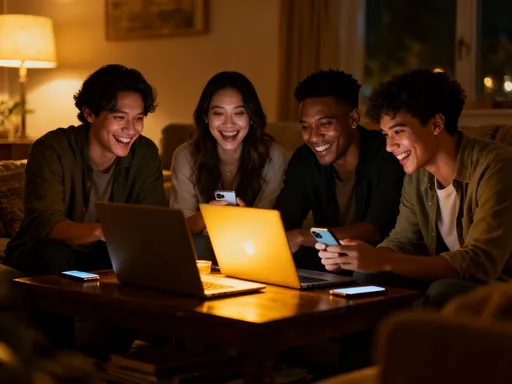
So I got creative. I set up a “Good morning” routine that turns on soft music, reads the day’s weather, and says, “Don’t forget book club tonight at 7!” I even added a fun chime so it feels welcoming. At first, it felt silly—like my house was talking to me. But soon, my daughter started dancing in the kitchen. My husband said, “I like how the house feels alive now.” And then something unexpected happened: neighbors began showing up.
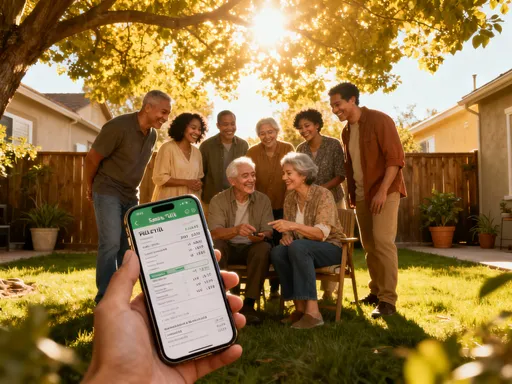
One evening, I was setting up for book club when Mrs. Thompson from across the street knocked on the door. “I heard the music from your porch speaker,” she said, smiling. “Sounded like a party. Mind if I join?” Of course I said yes. That night, we had nine people instead of five. We talked about the book, yes—but also about gardening, local schools, our favorite recipes. Since then, it’s become a pattern. The outdoor speaker plays a curated “welcome playlist” during gatherings, and the assistant sends a friendly reminder to guests an hour before: “See you soon! Wine and snacks at Jane’s.”
I’m not throwing grand parties. But my home feels warmer, more connected. And it’s not because of the tech—it’s because the tech helped me remember to open the door. Literally and figuratively. It took the mental load off remembering details so I could focus on being present. And that, I’ve learned, is the real gift: not the music or the reminders, but the space they create for real human moments.
Helping My Parents Stay Connected
One of the most meaningful ways my voice assistant has helped isn’t for me—it’s for my mom. She’s in her late 70s and lives two hours away. She’s sharp as a tack, but she’s never been comfortable with smartphones. Scrolling, tapping, remembering passwords—it all feels overwhelming to her. For years, she relied on landline calls and handwritten letters. But as her friends moved into assisted living or faced health issues, staying in touch became harder.
Then I introduced her to a simple voice assistant. I set it up so it greets her each morning: “Good morning, Linda. Today’s weather is sunny and 72 degrees. You have a message from Jane.” Then it reads my latest voice note aloud. I record short updates—nothing fancy. “Hi Mom, the roses are blooming. Thought you’d like to know.” She loves it. She says it feels like I’m right there.
But the real change came when I added a weekly reminder: “Call your sister at 10 a.m. on Thursday.” Her sister lives even farther away, and they used to go weeks without talking. Now, they chat every week without fail. Mom told me, “It’s like having a kind friend who remembers for me.” She doesn’t see the device as cold or robotic—she sees it as a patient, helpful presence. And honestly? That’s exactly what it is.
For my parents’ generation, technology can feel like a barrier. But when it’s designed to support human connection—not replace it—it becomes a bridge. I didn’t give my mom a gadget; I gave her a way to feel less alone. And that, to me, is what tech should do: serve the heart, not just the mind.
Learning to Listen—Even Through a Speaker
Here’s something I didn’t expect: the more I leaned on my voice assistant for reminders and routines, the more present I became in my actual conversations. It sounds backwards, right? You’d think relying on tech would make me more distracted. But the opposite happened. Because I wasn’t constantly worrying, “Did I remember to call so-and-so?” or “What was that thing I needed to ask my sister?”—my mind felt clearer. Lighter.
When I’m talking to my daughter now, I’m really listening. I’m not mentally drafting emails or replaying an argument from work. The assistant holds the to-do list so I can hold the moment. And that makes all the difference. I’ve noticed I ask better questions. I remember small details—like how her teacher loves sunflowers, or that her friend is nervous about a school play. I follow up. And she notices. “Mom,” she said the other day, “you’ve been really good at remembering stuff lately.” I smiled. “I’ve got a little help,” I said. “But I care more because I’m not so busy forgetting.”
That’s the subtle shift: technology didn’t make me more efficient just for the sake of checking boxes. It freed up emotional space. I’m not just doing more—I’m being more. The machine handles the memory; I handle the heart. And that balance—between support and sincerity—has deepened every relationship in my life. It’s not about replacing human effort. It’s about removing the barriers that keep us from making the effort in the first place.
A Smarter Life That Feels More Human
Looking back, this journey wasn’t about mastering a piece of technology. It wasn’t about learning all the features or getting the newest model. It was about rethinking what technology could do for me—not as a productivity tool, but as a partner in care. I didn’t need more time in the day. I needed better support in using the time I already had.
My voice assistant didn’t magically fix my relationships. But it gave me the gentle nudges, the memory boosts, the small pushes I needed to show up more consistently. It helped me turn intention into action. And over time, those small actions added up to something big: a richer, more connected life.
I still have busy days. I still forget things. But now, I have a system that helps me care better. I’m not just staying in touch—I’m building a life where connection is woven into the everyday. From a simple “Hey, remind me to call Mom” to weekly family check-ins and neighborly gatherings, I’ve created a rhythm of care that feels natural, not forced.
And here’s the beautiful irony: in using a machine to help me stay connected, I’ve become more human. More present. More willing to reach out, to listen, to love out loud. Technology didn’t distance me from people—it brought me closer. Not because it’s smart, but because I learned to use it wisely. And that’s the real magic: when tech doesn’t just make life easier, but makes it more meaningful. Because in the end, it’s not about the devices we own. It’s about the lives we live—and the people we choose to hold close, with a little help from a voice that cares too.