What If Your Family’s Everyday Moments Could Organize Themselves?
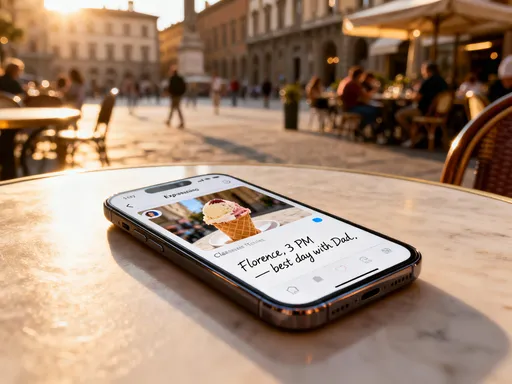
Imagine snapping photos, saving notes, or recording a child’s first words—only to forget where they are a month later. You’re not alone. Most of us collect memories like loose puzzle pieces, never quite forming a full picture. We take hundreds of pictures, record sweet voices, jot down funny things our kids say, and then... they disappear into the digital void. You meant to make a photo book. You promised yourself you’d keep a journal. But life got busy, and now you’re scrolling through your phone, hoping muscle memory will help you find that one video of your son laughing on the swings last summer. What if the way you already live could naturally create a clear, meaningful story of your family’s growth—without extra effort, apps, or stress? This isn’t about more technology. It’s about smarter simplicity.
The Messy Reality of Modern Family Memory-Keeping
Let’s be honest—most of us are drowning in moments we can’t find. You’ve taken the photo. You’ve saved the video. You’ve even whispered a voice memo when your daughter said something so adorable you knew you’d forget it by dinner. But where are they now? Buried in a phone gallery, lost in a cloud folder with a name like ‘IMG_4829’, or worse—trapped in a device that died and never backed up. We’re not bad at remembering. We’re just overwhelmed by the tools we use to remember. Every birthday, every school play, every quiet morning with pancakes and pajamas—we capture them with love, but rarely with a plan. And that’s the problem. The intention is beautiful. The system? Not so much.
I remember one Mother’s Day, my youngest handed me a scribbled card with a heart and the words ‘I luv you mommy.’ My eyes welled up. I pulled out my phone and recorded him reading it aloud. Sweet, right? A month later, I wanted to share it with my sister, and I couldn’t find it. I searched ‘Mother’s Day,’ ‘card,’ ‘voice memo,’ even ‘I love you.’ Nothing. I felt like I’d lost the moment all over again. And that’s how it happens—not with a bang, but with a quiet ache. These fragments of joy, laughter, growth—they don’t mean less because they’re digital. But they mean nothing if we can’t feel them when we need to. The emotional weight of disorganized memories is heavier than we admit. It’s not just about missing a video. It’s about missing the chance to reconnect, to feel proud, to say, ‘Look how far we’ve come.’
And it’s not just photos and videos. It’s the notes we type in our phone’s notepad app—‘Call dentist,’ ‘Buy birthday gift,’ ‘Ask teacher about reading group’—that slowly turn into a graveyard of forgotten thoughts. It’s the school artwork taped to the fridge that eventually gets tossed because there’s no room, no system, no way to keep it without turning your home into a museum. We’re not lazy. We’re just human. We live fast, love deeply, and forget to file. The truth is, memory-keeping shouldn’t feel like another chore on the to-do list. It should feel like breathing—natural, effortless, part of the rhythm of life.
Why Traditional Systems Fail (Even the “Smart” Ones)
We’ve all tried the solutions. The color-coded folders. The photo albums with cute labels. The fancy apps that promise to turn your chaos into a cinematic masterpiece. And for a while, it works. You’re inspired. You spend a Sunday afternoon sorting last month’s photos by event: ‘Beach Trip,’ ‘First Day of School,’ ‘Grandma’s Visit.’ You feel accomplished. Then life happens. A fever. A work deadline. A flat tire. And the next thing you know, your phone is full of unsorted images again, and the app hasn’t been opened in six weeks.
The problem isn’t you. It’s the system. Most digital organization tools are built for people with time, focus, and consistency—three things parents of young kids rarely have in abundance. They ask you to label, categorize, tag, upload, and curate. They assume you’ll do it regularly, like brushing your teeth. But memory isn’t dental hygiene. It’s emotional. It’s tied to moments of connection, not discipline. When a tool feels like homework, we stop using it. Even the so-called ‘smart’ apps fall short because they still demand effort. They might auto-group faces or suggest edits, but they don’t finish the job. You still have to review, approve, save. And that tiny extra step? That’s where most of us drop off.
I had a friend who bought a premium memory app for $60 a year. She was so excited. For two weeks, she uploaded everything. Then her toddler started sleep training, and suddenly, she was too exhausted to open the app, let alone curate photos. Now, the app sits unused, and her memories are still scattered. The emotional burnout is real. We want to remember. We just don’t want to work for it. The gap between what these tools promise and how real families live is wide. Life isn’t neat. It’s messy, loud, unpredictable. And our systems should reflect that—not fight against it. Technology should serve our humanity, not demand that we become robots just to save a smile.
Rethinking Technology: From Tracking to Flowing
What if, instead of trying to control every memory, we let them flow? Not disappear—but settle naturally, like leaves in a stream. The shift starts with a simple idea: technology should adapt to us, not the other way around. We’ve been taught to track, log, and manage. But what if we stopped managing and started living—while the tech quietly does the organizing in the background?
Think about how you already use your devices. You take photos. You record videos. You save notes. You use voice assistants. These aren’t chores. They’re habits. And habits are powerful. The key isn’t to add more steps—it’s to make the ones you already take work harder for you. For example, when you say, ‘Hey Siri, note that Emma said her first full sentence today—“I want juice, please,”’ that note can automatically go to a shared family journal if you’ve set it up once. No extra tapping. No opening apps. It just happens.
Or consider automatic cloud syncing. If your phone, tablet, and laptop all back up to the same account, your photos aren’t stuck in one place. They’re everywhere you need them. And if you name your folders with simple, consistent labels—like ‘2024-04_Easter_Family_Dinner’—you don’t need a genius system. You just need a tiny bit of intention at the start. The tech does the rest. This isn’t magic. It’s design. It’s about setting up your tools once, so they work for you every day without asking for anything in return. The best technology fades into the background. You don’t notice it because it feels like part of your life—not an add-on.
Building a Silent System That Grows With Your Family
So how do you build this kind of system? Not with a big overhaul. Not with a new app or a weekend of digital decluttering. But with small, sustainable changes that fit into the life you already live. Start with your photos. Pick one cloud storage service—Google Photos, iCloud, or Dropbox—and stick with it. Turn on automatic backup. That’s step one. Now, every photo you take is safe, even if your phone dies. No more panic when the battery hits 1%.
Next, create a simple naming system for your albums. Instead of ‘Vacation’ or ‘Kids,’ try ‘2024-06_Summer_Road_Trip’ or ‘2024-09_Lily_First_Grade.’ The date helps you find things fast. The theme tells you what’s inside. You don’t need to do this for every photo—just for events or milestones. Over time, you’ll have a timeline of your family’s life that’s easy to navigate. And here’s a secret: you don’t have to do it all at once. Set a reminder to review your photos once a month. Spend 10 minutes. Create one album. That’s it. Small efforts, repeated, create big results.
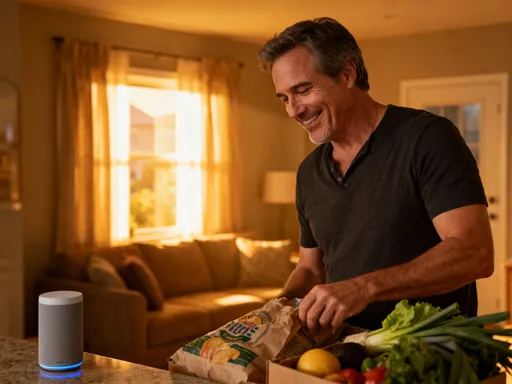
Now, think about voice. How often do your kids say something priceless? ‘Daddy’s a superhero.’ ‘I made a rainbow in art class.’ If you have a smart speaker, you can say, ‘Hey Google, save this: Ben just said he wants to be a chef when he grows up.’ That note goes into your family’s shared doc or voice archive. No typing. No forgetting. Later, you can play it back during a car ride, and everyone laughs. These moments become part of your family’s story—not lost in the noise of daily life.
And don’t forget the little things. School artwork, report cards, handmade cards—they matter. Take a photo of each one and add it to a folder called ‘Kids_Art_and_Achievements.’ Or scan them with your phone’s notes app and save them to a shared drive. You don’t need to keep the physical copies forever. The digital version lasts longer and takes up no space. This isn’t about perfection. It’s about peace. Knowing that the things that matter are safe, even if they’re not on your fridge.
Turning Data Into Meaning: From Files to Feelings
Here’s the truth: organizing your memories isn’t about storage. It’s about access. It’s about being able to feel them when you need to. A photo is just a file until it makes you smile, cry, or say, ‘I remember that day.’ The real power of a silent system is how it brings those feelings back—not on demand, but in moments that matter.
Some phones and photo apps now offer ‘On This Day’ or ‘Memory’ features. They show you old photos on the same date each year. At first, I thought it was just a gimmick. Then, one rainy Tuesday, my phone showed me a video of my daughter’s first steps. I hadn’t seen it in two years. I sat on the couch, tears in my eyes, watching her wobble forward with her arms out. My son saw me crying and asked what was wrong. I showed him. He said, ‘She was so little!’ In that moment, we weren’t just looking at a video. We were connecting. We were remembering together. That’s what happens when technology serves emotion, not ego.
Another mom told me she set up a monthly email that pulls three random photos from the past year. She calls it her ‘joy reminder.’ Every 15th, she gets a little burst of warmth—her son blowing out birthday candles, her dog chasing a ball, her husband making pancakes. It’s not curated. It’s not perfect. But it’s real. And it helps her see how much good is already in her life. These small cues—notifications, emails, playlists—turn data into meaning. They don’t replace being present. They help you remember that you were.
And think about birthdays. Imagine your calendar doesn’t just say ‘Emma’s Birthday,’ but also links to a folder of videos and photos from every year. You click it, and suddenly, you’re watching her grow from a baby to a giggling toddler to a confident kindergartener. You share it at the party, and even Grandma gets teary. That’s not just organization. That’s love made visible. Technology, used gently, becomes emotional glue. It helps you stay connected to your own story.
Raising Kids Who Understand Their Own Story
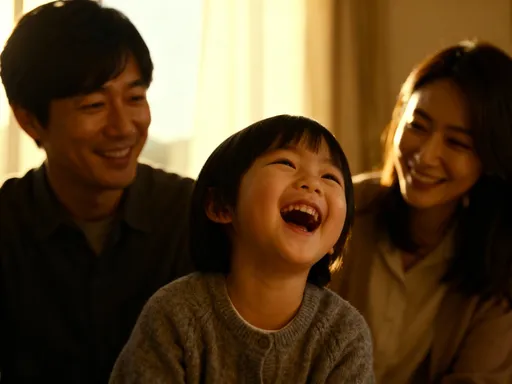
When children can see their own growth, something beautiful happens. They start to understand who they are. Not just from what you tell them, but from what they can see and hear for themselves. A shy nine-year-old watches a video of herself at three, belting out ‘Happy Birthday’ with zero fear, and she smiles. ‘I wasn’t always quiet,’ she says. That moment of recognition? That’s identity forming.
One dad told me he started a ‘Growth Playlist’ for each of his kids—short videos of milestones, funny moments, and sweet confessions. On their birthdays, he plays it before the cake. His daughter calls it her ‘life movie.’ Last year, after watching it, she said, ‘I’ve done so much. I can’t wait to see next year.’ That’s not just nostalgia. That’s confidence. That’s self-worth built on real evidence of growth.
And it’s not just about pride. It’s about belonging. When kids see that their moments matter enough to be saved, they feel valued. They learn that their laughter, their art, their words have a place in the family story. They start to contribute—taking their own photos, asking to save a drawing, recording a message for future them. The system becomes shared, not just managed by parents. Tech, in this role, isn’t cold or distant. It’s a quiet mentor, helping kids answer the big question: ‘Who am I?’ with stories, not just answers.
The Calm That Comes From Letting Life Stay Alive
In the end, the goal isn’t a perfect archive. It’s peace. It’s the quiet relief of knowing that your memories are safe, even when you’re too tired to think about them. It’s the freedom to put your phone down at dinner because you trust that the moments will still be there tomorrow. It’s the ability to be present—fully, deeply—because you’re not worried about capturing everything.
When your system works silently in the background, your mind clears. You stop asking, ‘Did I save that?’ and start asking, ‘How did that make me feel?’ That shift—from tracking to feeling—is everything. You begin to notice more, not because you’re recording, but because you’re relaxed. You laugh longer. You hug tighter. You let the ordinary moments breathe.
And over time, you realize something beautiful: your family’s story isn’t in the photos. It’s in the way you remember them. It’s in the way a simple video can bring the whole table to tears. It’s in the way your child sees herself in her past and smiles at her future. Technology, when used with care and intention, doesn’t replace real life. It helps you love it more.
So no, you don’t need another app. You don’t need to spend weekends organizing. You just need a few small, smart habits that let your life stay alive—naturally, gently, beautifully. Because the best memories aren’t the ones you force. They’re the ones that find you, right when you need them. And when that happens, you’re not just remembering. You’re living all over again.